
Liver, Pancreas, Gallbladder & Bile Duct Surgeon
Dr. Omoshoro-Jones specializes in liver, pancreas, gallbladder and bile duct procedures. Moreover, this is in addition to gastrointestinal (GIT) and specialized general surgeries.
Resurrection Specialist
Ethical | Evidence Based | Patient-Centered | Academically Relevant | Socially Oriented
Resurrection Specialist Practice, subsidiary of Resurrection Inc founded in 2005, stands as a pinnacle of excellence in the field. Dedicated to offering unparalleled medical services, our practice specializes in the intricate domains of gastro-intestinal & hepatopancreatobiliary (HPB) surgery. With strategically located sites in both Johannesburg and Pretoria, South Africa, we ensure the delivery of cutting-edge, multi-disciplinary expertise to meet the diverse needs of our valued patients.
Specialized Disciplines
We possess unwavering confidence in all areas of expertise and specialization
By collaborating with a multi-disciplinary team, The Practice ensures seamless access to specialized disciplines. Some of these disciplines may include: anesthesiology, intensive care, physiotherapy, nutrition, psychology, counseling & other complementary services. Furthermore, this approach fosters holistic, ethical, patient-centered, evidence-based, academically relevant & socially responsible care.
Services Rendered
Services provided by Resurrection Practice include but not limited to:
Specialized Organ based procedures
Surgical procedures focusing on organs, ensuring optimal health and functionality.
Specialized General Surgery
We offer precise and expert surgery addressing diverse medical conditions.
Endoscopic & Natural Orifice Surgery
We specialize in minimally invasive procedures through natural openings.
Miscellaneous - Trauma Surgery
Versatile surgical expertise managing diverse trauma cases.
Gallbladder & Biliary Tracts
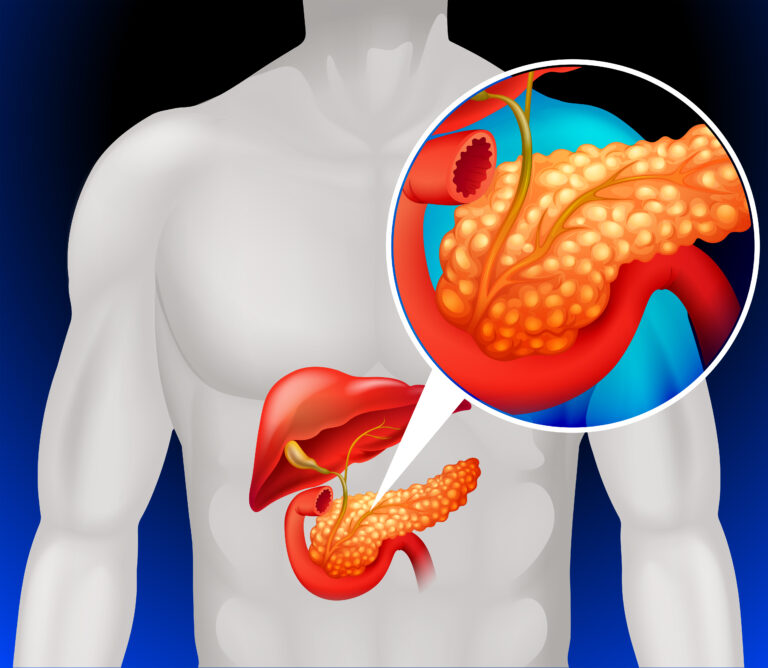
The gallbladder and biliary tracts are integral components of the digestive system. The gallbladder, a small organ located beneath the liver, stores bile produced by the liver. Bile plays a crucial role in digesting fats. When needed for digestion, the gallbladder releases bile into the small intestine through the common bile duct.
The biliary tracts encompass a network of tubes that transport bile between the liver, gallbladder & small intestine. These tracts include the hepatic ducts within the liver, the common bile duct & the cystic duct connecting the gallbladder to the common bile duct.
Disorders in these structures, such as gallstones or inflammation, could possibly lead to issues like gallbladder disease. Please note that surgical interventions, such as cholecystectomy, may be necessary for certain conditions affecting the gallbladder and biliary tracts.
Common Gallbladder Problems
Acute Cholecystitis (Gallstone Origin):
Acute cholecystitis is a sudden inflammation of the gallbladder, often triggered by the presence of gallstones blocking the cystic duct. This obstruction can lead to impaired bile flow, causing pain, tenderness and sometimes infection. Symptoms include severe abdominal pain, nausea, vomiting & fever.
Gallbladder Dysmotility:
Gallbladder dysmotility refers to abnormal contractions or movements of the gallbladder, affecting its ability to properly store and release bile. This dysfunction can lead to digestive issues, discomfort and, in some cases, the formation of gallstones.
Gallbladder Cancer:
Gallbladder cancer is a relatively rare but serious malignancy that can develop in the tissues of the gallbladder. It is often diagnosed at an advanced stage due to a lack of early symptoms. Risk factors include gallstones, chronic inflammation and certain genetic conditions.
Common Bile Duct Problems
Strictures:
Strictures, commonly resulting from gallstones, can also arise post-gallbladder surgery, pancreatitis, autoimmune conditions, HIV infection, trauma and other factors.
Bile Duct Cancer:
Ensuring liver and pancreas health, as previously suggested, is vital for maintaining optimal gallbladder and bile duct health, which in turn helps prevent bile duct cancer.
Your Gut
Your gut which can also be known as the gastrointestinal (GI) tract, is a complex system responsible for digesting and absorbing nutrients from the food we consume. It includes several organs, each playing a unique role:
Mouth
Digestion begins with chewing and the secretion of saliva, containing enzymes that initiate the breakdown of carbohydrates.
Esophagus
A muscular tube that transports food from the mouth to the stomach through a series of coordinated contractions.
Stomach
Acidic gastric juices and enzymes in the stomach further break down food, forming a semi-liquid mixture called chyme.
Small Intestine
The site for nutrient absorption. Enzymes from the pancreas & bile from the liver aid in breaking down fats, proteins & carbohydrates.
Large Intestine (Colon)
Absorbs water and electrolytes, forming feces. Houses beneficial bacteria that aid in digestion and produce certain vitamins.
Rectum and Anus
Store and eliminate waste through bowel movements.